Master's of Science in Wide Bandgap Semiconductors
New graduate program launching fall 2026Turning High Impact Semiconductors into High Impact Innovation
Why research wide bandgap semiconductors?
Wide bandgap (WBG) materials such as SiC (silicon carbide) and GaN (gallium nitride) offer higher efficiency, faster switching and higher-temperature operation. These properties enable smaller and lighter power systems.
They are transforming electric vehicles, fast-charging energy inverters, aerospace and defense applications and data center power systems. Wide bandgap semiconductors are essential for advancing clean energy, transportation and high-performance systems.
Interested? Sign up for updates.
We'll be in touch with more information about this unique opportunity.
Why study wide bandgap at NC State?
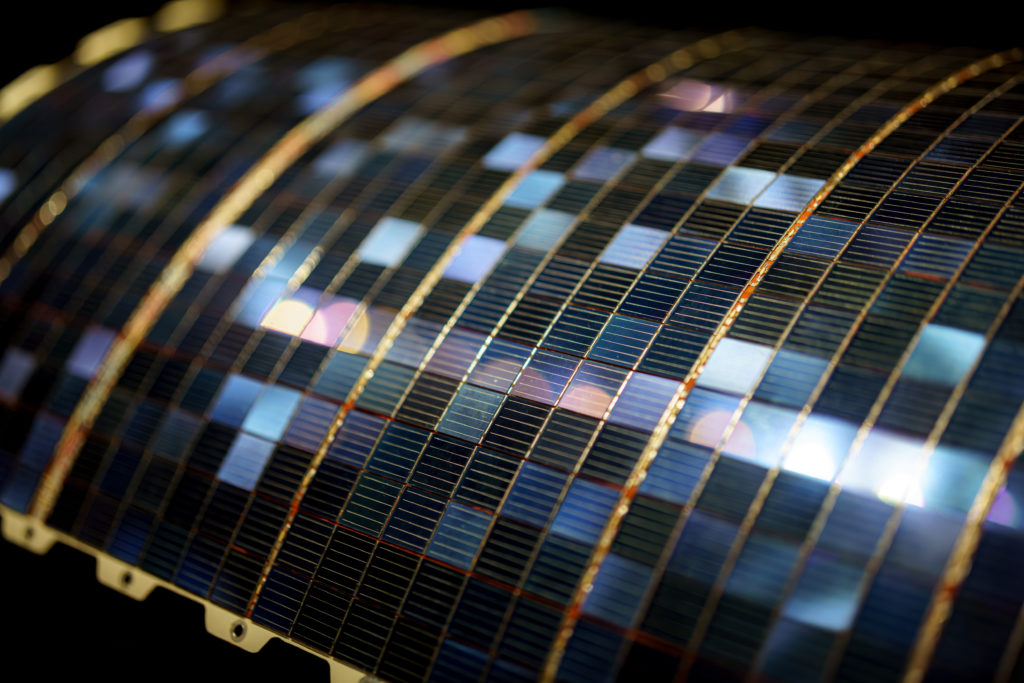
Semiconductor and power hub
Advance your knowledge within one of the nation’s leading ecosystems for wide bandgap semiconductors for applications in power electronics, RF and photonics applications.

World-class facilities
Access cleanrooms, nanofabrication labs, power electronics testbeds and characterization tools.
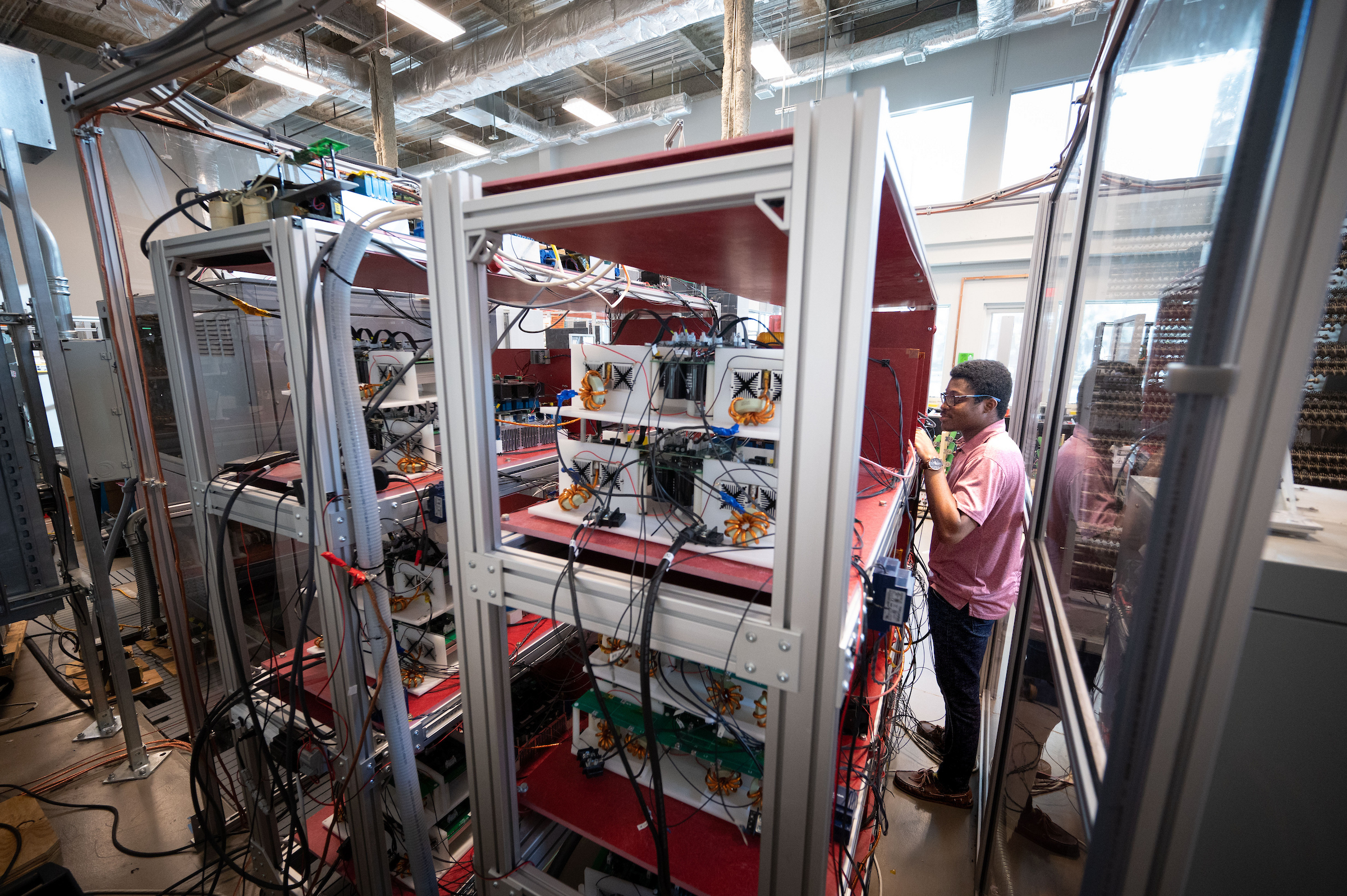
Strong industry connections
Connect with companies in EVs, aerospace, communication, clean energy and chip manufacturing.
Curriculum
Program at a Glance
- Degree: MS in Wide Bandgap Semiconductors
- Length: 1-2 years (full-time)
- Format: Hybrid, online coursework plus practicum
- First cohort: Fall 2026
What you’ll study
Core focus areas
- Semiconductor physics and foundations of SiC/GaN emerging WBGS technologies.
- WBG device structures, fabrication techniques and performance testing.
- Microelectronic materials science, thin films and semiconductor processing.
- Power electronics systems using SiC/GaN: converters, inverters, EV drivetrains, RF amplifiers and renewable energy systems.
- Semiconductor manufacturing workflows, automation, yield analysis and smart manufacturing.
- Advanced characterization, simulation and modeling of WBG materials and devices.
- Applied learning through intensive two-week practicums in manufacturing and applications engineering.
Sample courses and experiences
Core courses
-
ECE 502 – Wide Bandgap Semiconductor Devices and Applications
-
ECE 530 – Physics of Semiconductors
- ECE 529 – Special Topics In Electrical Engineering (Laboratory for Integrated Circuit Technology and Fabrication)
-
MSE 560 – Microelectronic Materials Science and Technology -- or
-
ECE 538 – Integrated Circuits Technology and Fabrication
-
ECE 740 – Wide Bandgap Semiconductor Device Fabrication and Technology
-
ECE 640 – Practicum 1: Semiconductor Manufacturing
-
ECE 641 – Practicum 2: Applications Engineering Using Wide Bandgap Semiconductors
Device track electives
-
ECE 533 – Power Electronics Design & Packaging
-
ECE 557 – Principles of MOS Transistors
-
ECE 523 – Photonics and Optical Communications
-
ECE 529 – Semiconductor Optoelectronic Devices
-
ECE 534 – Power Electronics
-
ECE 553 – Semiconductor Power Devices
-
ECE 724 – Electronic Properties of Solid-State Devices
-
ECE 735 – Wide Bandgap Semiconductor Power Devices
-
ECE 511 – Analog Electronics
-
ECE 712 – Integrated Circuit Design for Wireless Communication
-
ECE 549 – Microwave Design
-
ECE 719 – Advanced Microwave Design
Materials track electives
-
MSE 703 – Interaction of Electrons with Materials
-
MSE 760 – Materials Science in Processing of Semiconductor Devices
-
MSE 704 – Interaction of Photons with Materials
-
MSE 751 – Thin Film and Coating Science and Technology I
-
MSE 752 – Thin Film and Coating Science and Technology II
Learn by doing
Practicum experiences offer hands-on work with WBG devices and systems. Students will use advanced equipment to test, model, and analyze WBG technologies.
Where this degree can take you
Graduates will be prepared for roles such as:
-
R&D engineer in semiconductor manufacturing
-
Power electronics design engineer
- Wide bandgap device or module engineer
- Applications engineer (EVs, renewables, aerospace)
- Roles in national labs and government agencies
Industries hiring wide bandgap talent include electric vehicles, renewable energy, aerospace and defense, industrial systems, data centers, and semiconductor manufacturing.
Is this program right for you?
Ideal backgrounds
- BS in electrical engineering, computer engineering, materials science, physics or related disciplines
- Mid-career engineers seeking advanced technical preparation
What we’re looking for
- Strong fundamentals in circuits, devices, or materials
- Interest in clean energy, transportation, or semiconductor applications
- Motivation to enter fast-growing power and semiconductor sectors
Admissions and key dates
- Program start: Fall 2026
- Application term: June 25
- Location: NC State University, Raleigh, North Carolina
Additional requirements:
- NC State Graduate School application
- Relevant undergraduate degree
- Transcripts, statement of purpose, and recommendations
- English proficiency documentation (if applicable)
Is this program full-time or on campus?
The MS-WBGS program is hybrid. Coursework includes online synchronous and asynchronous components, with intensive on-campus summer practicum sessions.
Can I work part-time while enrolled?
Yes. The hybrid structure supports part-time employment, though students may need scheduling flexibility during practicum sessions.
Is there a thesis option?
No. This is a non-thesis professional program focused on applied learning and industry engagement.
Are assistantships available?
No. Students should plan for self-funding, employer support, scholarships, or external funding.
Do I need semiconductor experience?
No. Applicants only need strong fundamentals in engineering or physical sciences.
Ready to take the next step?
Applications are open. Start yours today.