Concentrations
Find your focus. Every electrical engineering and computer engineering student at NC State chooses a concentration, a focused path that builds depth in the area that excites you most and prepares you for the career you want.
How Concentrations Work
Your concentration builds on the core courses every student in your major takes. Electrical engineering concentrations include 24 credit hours, and computer engineering concentrations include 22. About half of those hours come from a focused list of courses that give you depth in your area.
The rest are open electives you choose with your advisor. Fields like these overlap in countless ways, so open electives give you the freedom to go deeper in your concentration or branch out, including into math, science and other engineering disciplines outside of ECE.
Concentrations also include the university’s new Foundations in American Democracy general education requirement.
Electrical Engineering Concentrations
Every concentration builds on a shared core in electric circuits, digital logic, computer systems, programming, signals, linear systems, microelectronics, electromagnetics, teamwork and communication, and the social and ethical dimensions of engineering. The result is a Bachelor of Science in Electrical Engineering.
Analog Circuits
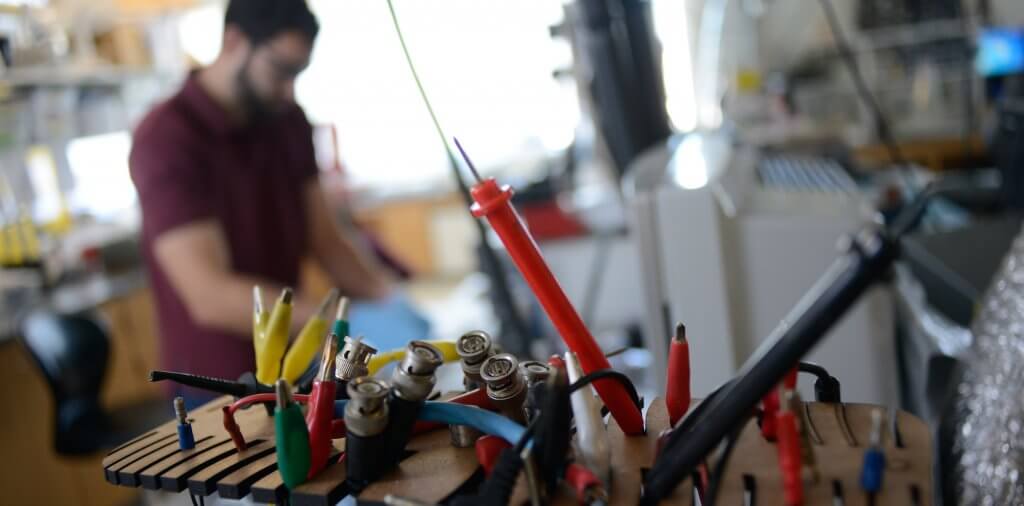
Design the circuits that connect the digital world to the physical one. You will build hands-on skills in the analog electronics lab and go deeper into power electronics, radio system design and solid-state devices.
Artificial Intelligence and Machine Learning
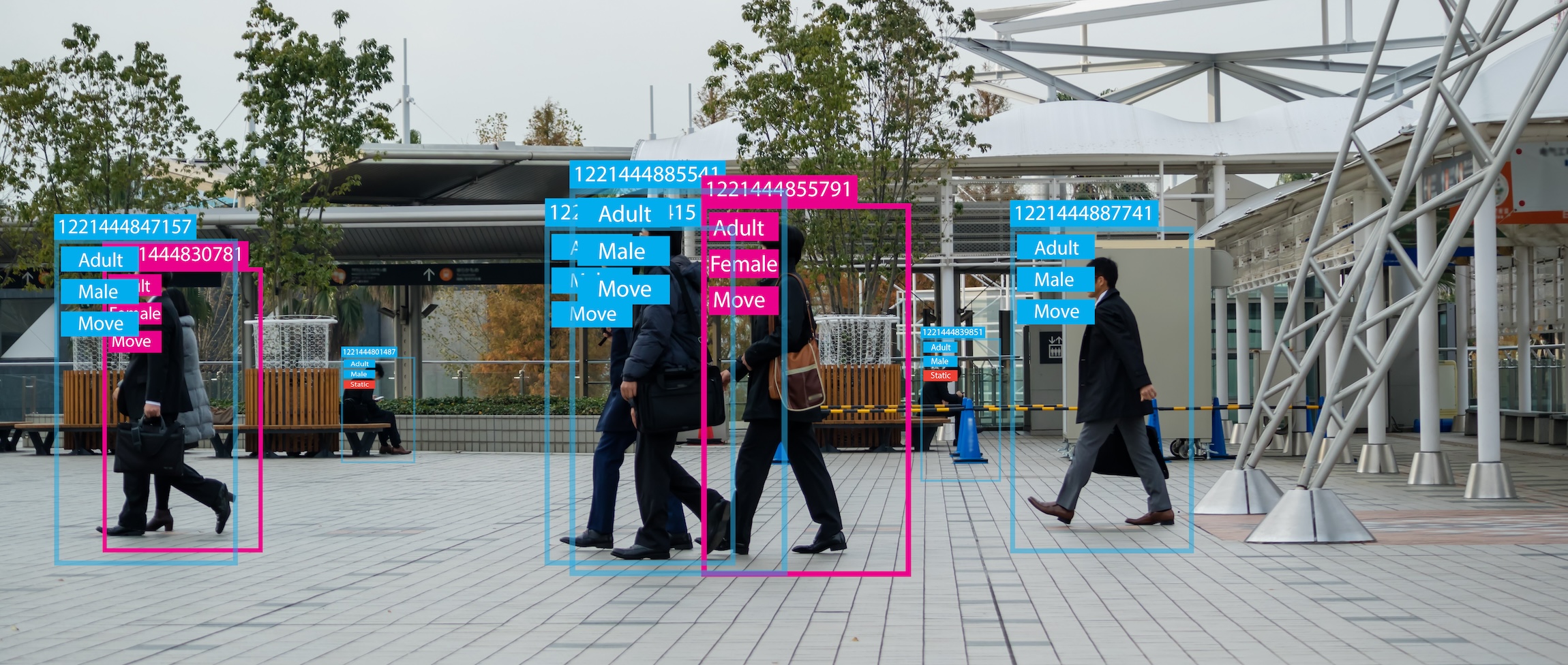
Enter one of the fastest-growing fields in technology with a strong mathematical foundation and hands-on experience with state-of-the-art tools. Coursework spans machine learning, deep learning, data science and signal processing.
Biomedical Instrumentation
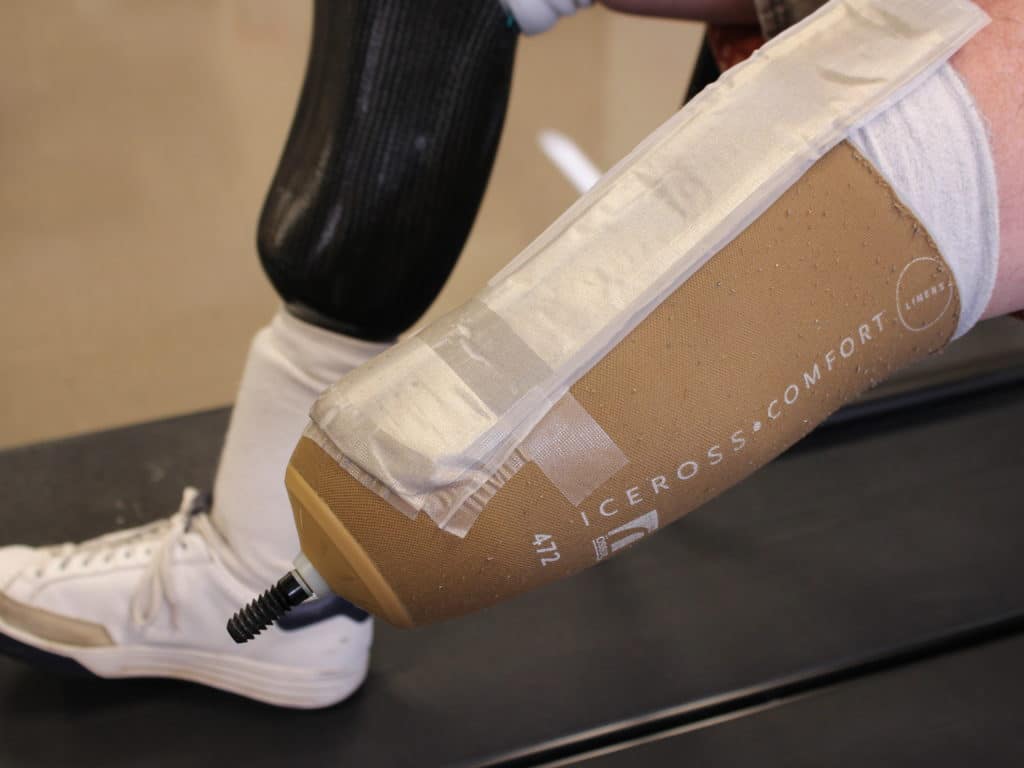
Design the electrical and computer systems behind medical technology, from wearable biosensors to embedded devices. Explore custom hardware, nanomanufacturing, neural interfaces and medical instrumentation that can improve patient care.

Communications and Signal Processing
Learn the principles common to every communications system, from wireless networks to the signals that carry voice, video and data. Build skills in signal processing, machine learning, antennas, optical communications and radio system design.

Controls and Robotics
Prepare to work on autonomous ground and aerial vehicles, industrial robots and power systems. You will build a foundation in control systems, then add skills in machine learning, mechatronics and embedded systems.
Digital Circuits
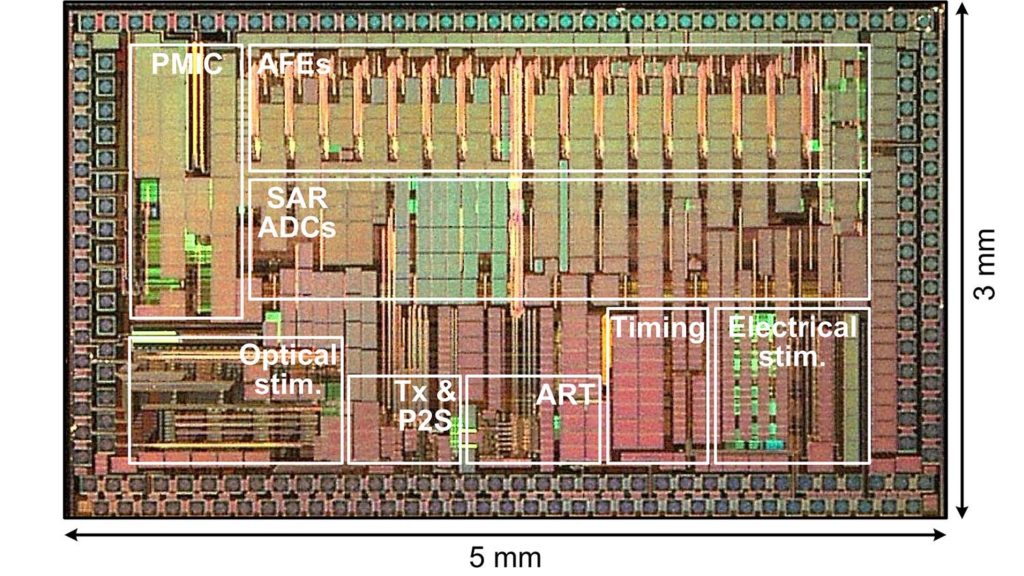
Design digital hardware from the ground up, from hardware description languages to large custom designs for application-specific integrated circuits and field-programmable gate arrays. Electives in communications hardware, electronics and solid-state devices round out your expertise.
Electronic Devices
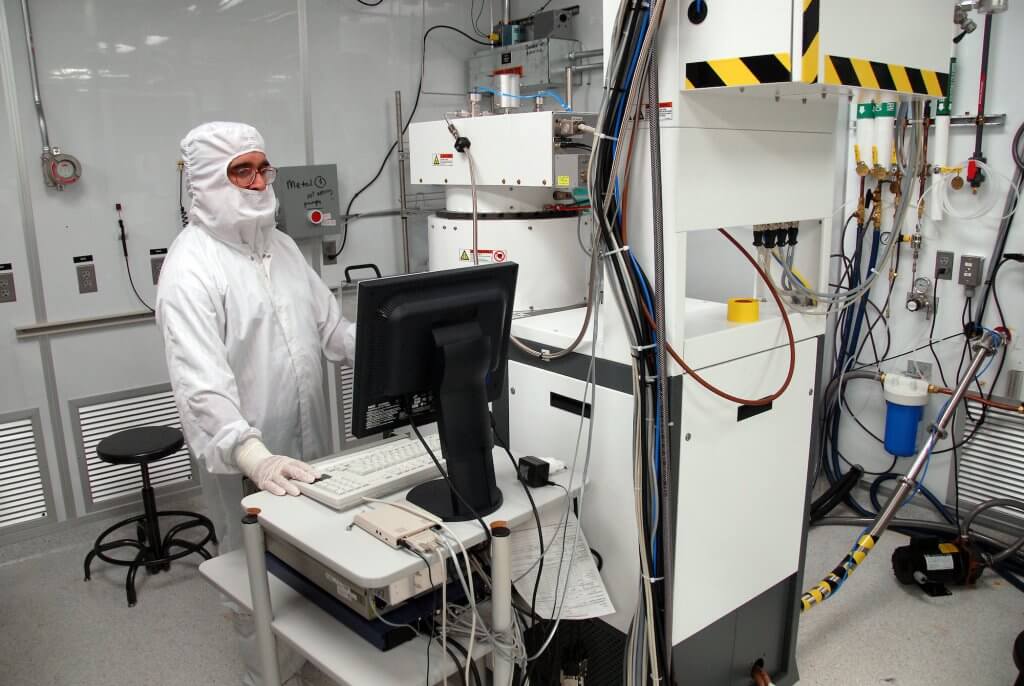
Work at the smallest scales of electrical engineering. Build a foundation in nanotechnology and solid-state devices, then explore integrated circuit fabrication, energy harvesting, wearable biosensors and the semiconductor devices inside modern electronics.
Music Technology
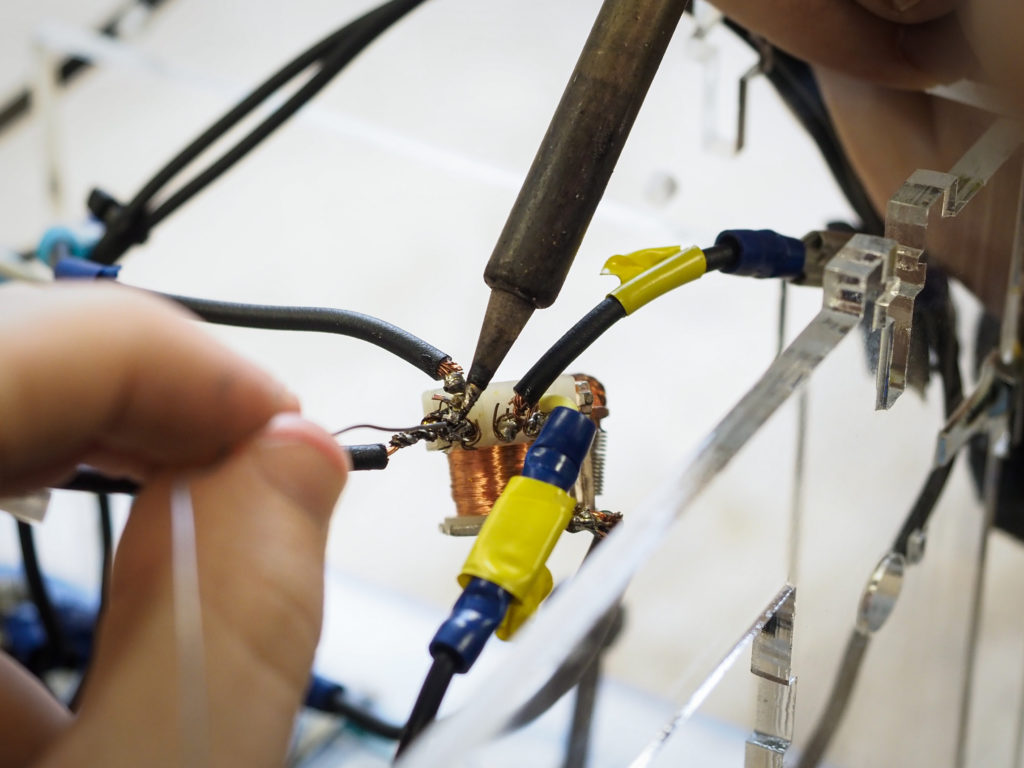
Combine engineering with a passion for music. Working with NC State’s music technology program, you will gain the interdisciplinary skills to design new musical technology, drawing on signal processing, embedded systems, wireless communications and machine learning.

Optics and Photonics
Use light to move information and energy. Build a foundation in nanoscience, photonics and optical communication devices, with options in solid-state devices, integrated circuits, energy harvesting and semiconductor optoelectronics.
Power Systems
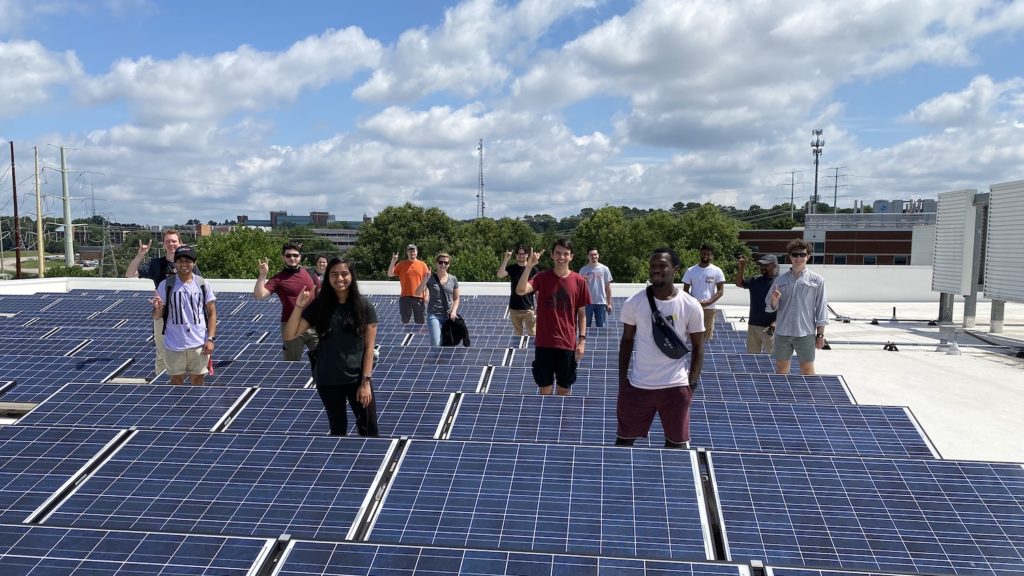
Help modernize the grid that powers homes and industry across North Carolina and beyond. Study power system analysis alongside power electronics, electric motors and renewable energy systems.
Radio Frequency Circuits
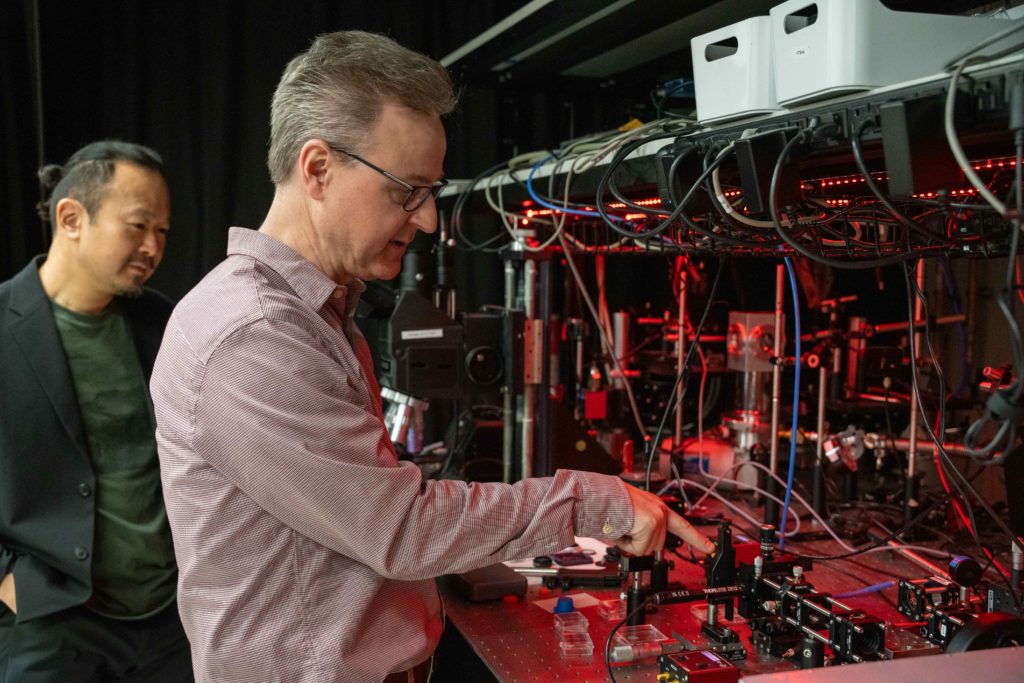
Design the hardware that makes wireless possible. Learn the fundamentals of transmission lines and antennas, build skills in radio system design and deepen your hardware expertise with advanced electronics and solid-state technology.
Computer Engineering Concentrations
Every concentration builds on a shared core in electric circuits, digital logic, computer systems, programming, signals, linear systems, embedded systems, discrete math, data structures, teamwork and communication, and the social and ethical dimensions of engineering. The result is a Bachelor of Science in Computer Engineering.
Artificial Intelligence and Machine Learning
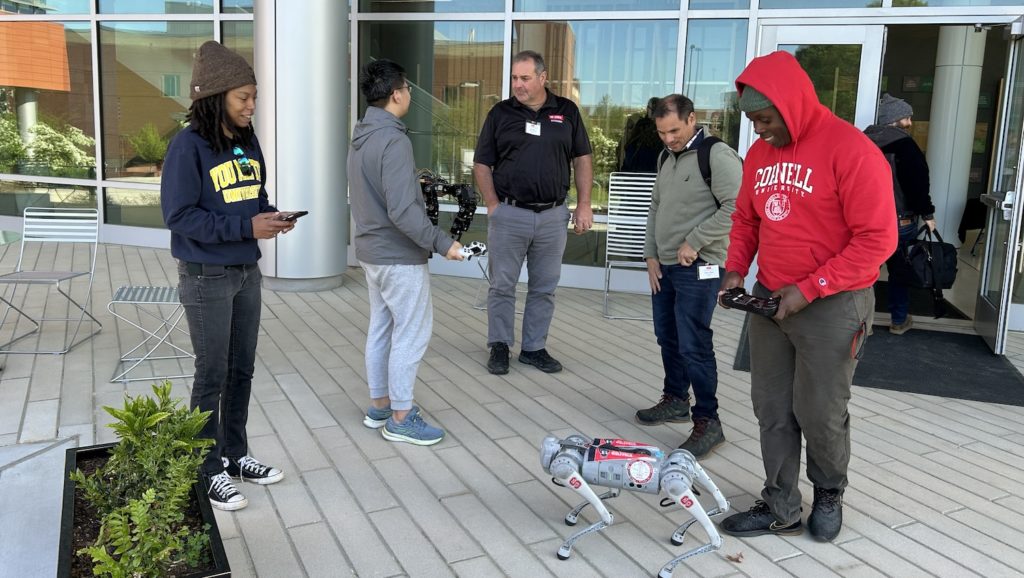
Build intelligent systems for a rapidly growing industry. Required coursework in linear algebra and machine learning gives you a robust mathematical foundation, with electives in neural networks, data science and signal processing.
Computer Architecture and Emerging Systems
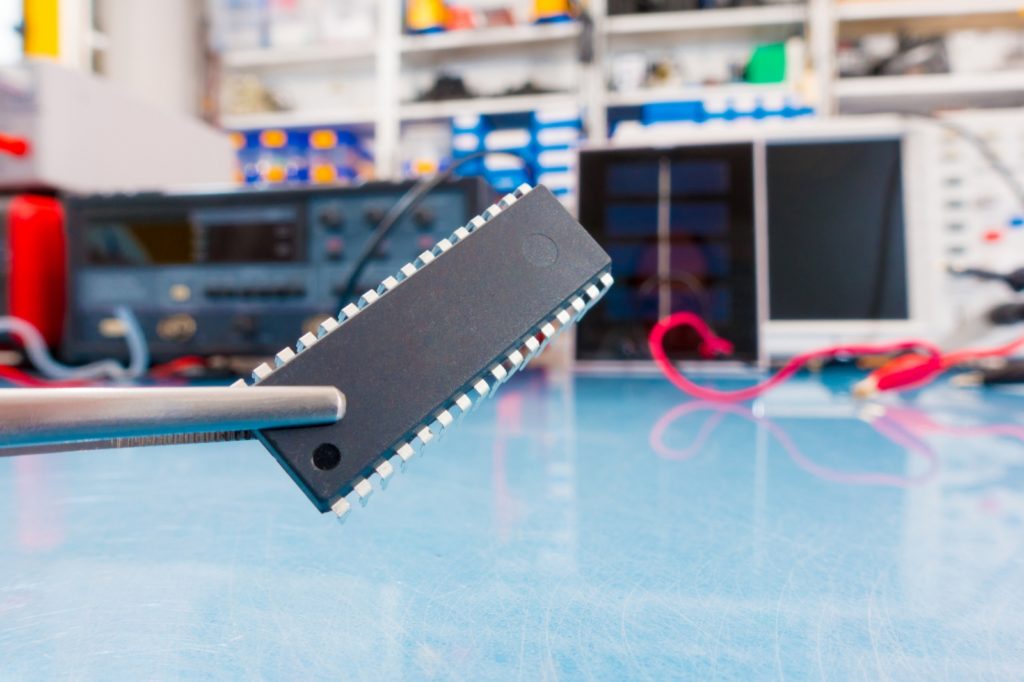
Design the processors that power everything from smartphones to data centers. Explore high-performance and parallel processors, graphics processors and custom hardware, along with emerging areas such as quantum computing.

Computer Systems Software
Write the low-level software that makes computer systems work, including compilers, operating systems and embedded software. Open electives let you go deeper in software or connect systems principles to the applications you care about.
Embedded Systems
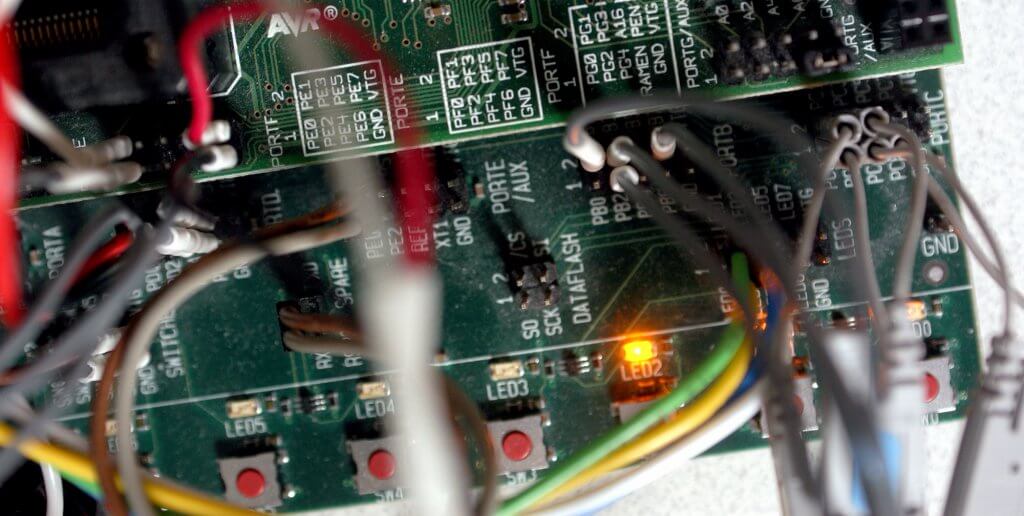
Embedded computers run cars, medical devices, appliances and the power grid. Gain advanced skills in embedded system architecture and optimization alongside digital hardware design, and learn the trade-offs that balance performance and power.

Networking Hardware
Develop the routers, switches, adapters, controllers and connected devices that form the backbone of computer and cloud networks. Learn networking principles and protocols, embedded systems and hardware development, with hands-on lab experience.
Networking Software
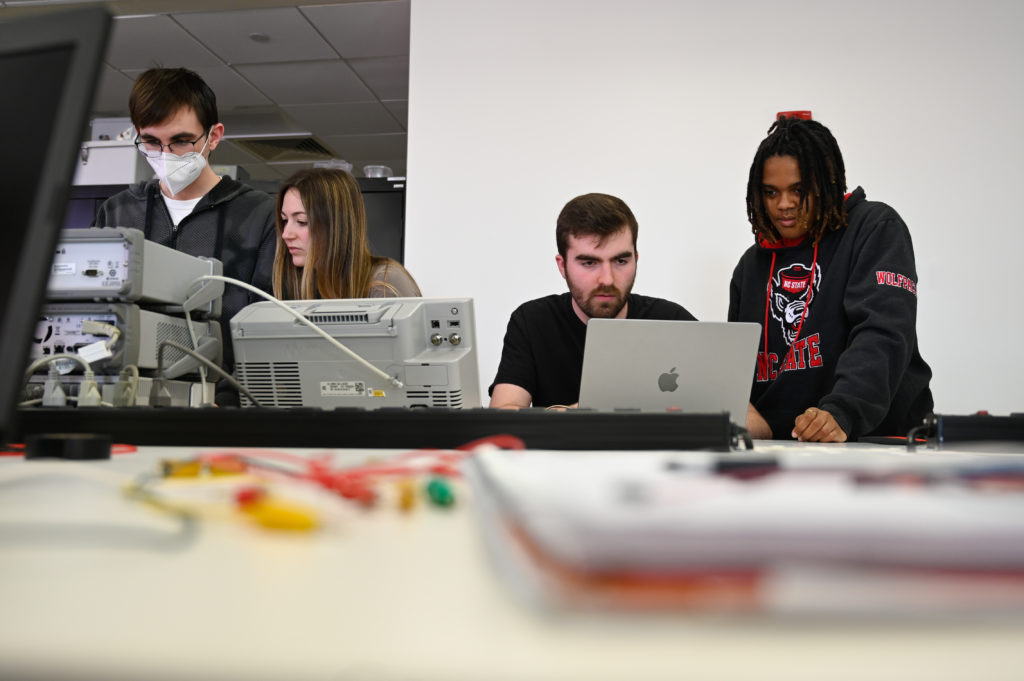
Build the applications and control software that manage modern networks. Learn networking principles, protocols, embedded systems and software development, with hands-on lab experience that prepares you for careers in computer and cloud networking.
Every Path Ends in Senior Design
No matter which concentration you choose, your final year brings it all together. In a two-semester senior design sequence, you will work on a team to solve a real engineering problem identified by faculty or industry sponsors, gaining experience designing, documenting and presenting your work to a range of audiences.
Want Both? Consider a Double Major
Electrical engineering and computer engineering share much of the same foundation, so earning both degrees is within reach. Double majors choose one concentration in each major and complete a few additional courses, with open electives covering much of the second concentration. Artificial intelligence and machine learning can count toward only one of the two majors.
Your advisor can help you plan a path that fits your goals and your timeline.
Ready to Find Your Focus?
Explore the full curriculum for each major, then talk with your advisor about the concentration that fits where you want to go.